


ORGANS OF PARIS © 2026 Vincent Hildebrandt HOME ALL ORGANS



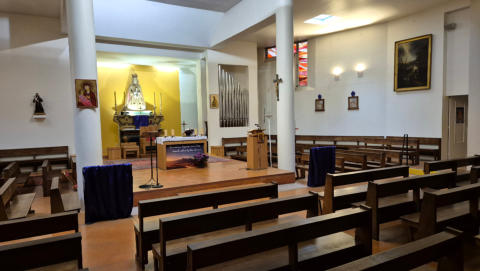
The Church of Notre-Dame-de-Compassion was put up
between 1842 and 1843 by the Orléans family, right on the spot
where Prince Ferdinand-Philippe of Orléans was killed in a road
accident on 13 July 1842. Before long, it was decided to build a
memorial chapel on the exact place where the heir to the
throne had died. The design was entrusted to Pierre-François
Fontaine, the official architect of the ruling families since the
First Empire. Shaped like a cross, the chapel was built in a Neo-
Byzantine style, with intersecting round stone vaults. The small
columns that carry the ribs are topped with neo-Merovingian
leafy capitals, and the round-arched windows are inspired by
the Romanesque style.
Listed as a historic monument in 1928, the church had to be
moved 150 metres away in 1970 to make room for the
construction of the Palais des Congrès. At that time a lower
church and several extra rooms were added.
In 1993, the chapel was raised to the rank of parish church and
received a new name: formerly the Royal Chapel of Saint-
Ferdinand, it became Notre-Dame-de-Compassion.

E6
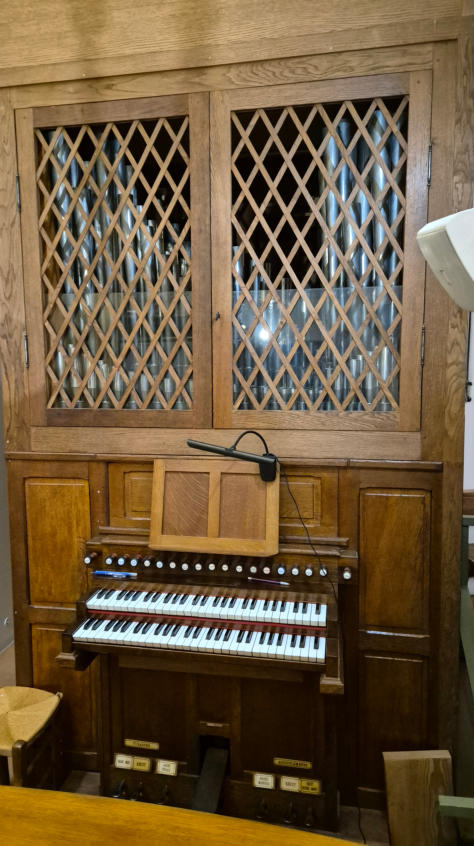
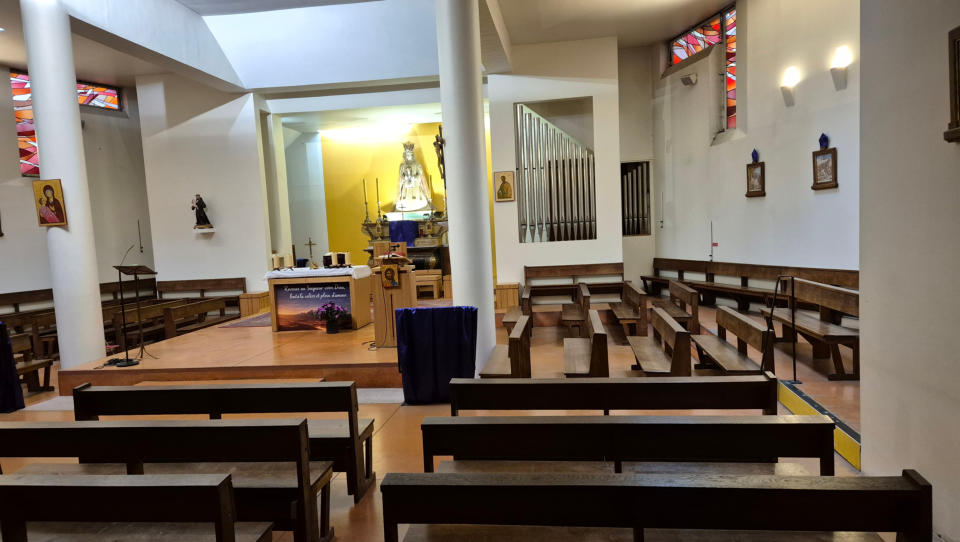
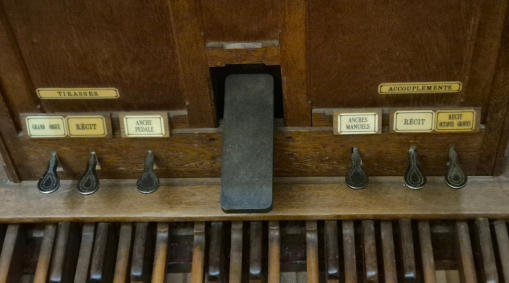
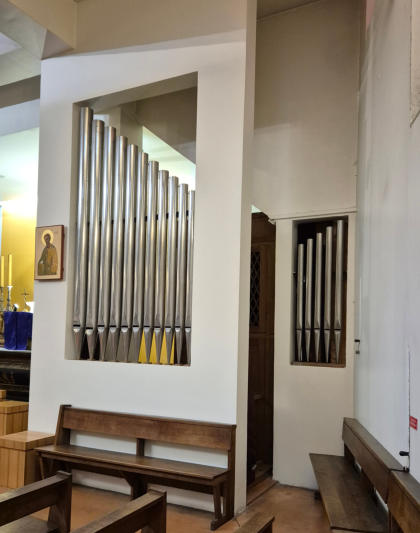
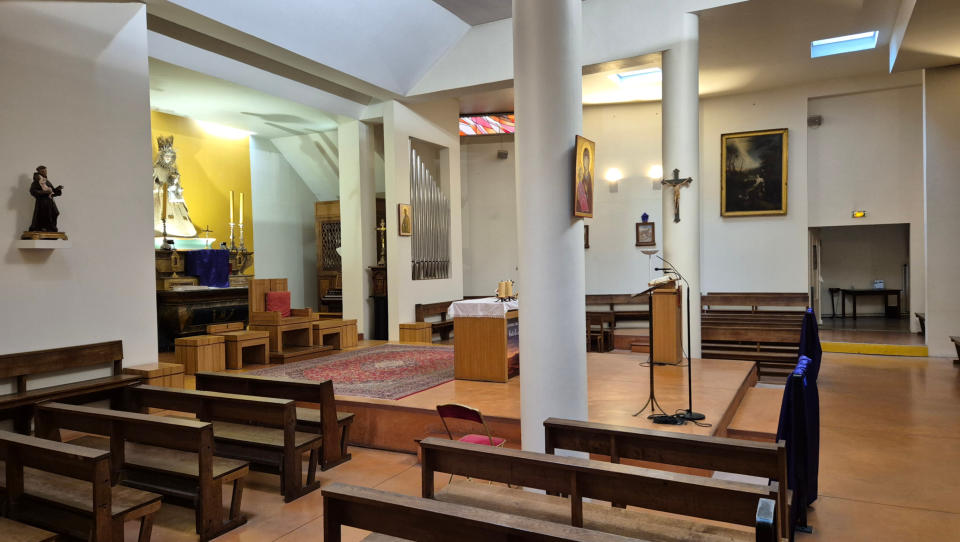
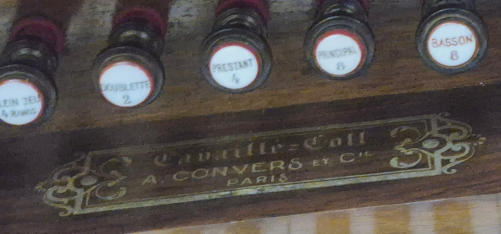
This organ was built by Cavaillé-Coll-Convers in the
1920s for an unknown location. It was probably
moved to its present location by Lalmand in the
1970s, at which time it was placed in a corner of
the church behind a dummy façade (see photo)
and severely modified. No further information
about this organ is available.









Organs of Paris


ORGANS OF PARIS © 2026 Vincent Hildebrandt
E6
This organ was built by Cavaillé-Coll-Convers in the 1920s for
an unknown location. It was probably moved to its present
location by Lalmand in the 1970s, at which time it was placed
in a corner of the church behind a dummy façade (see photo)
and severely modified. No further information about this
organ is available.